Welcome to Junlin Chicheng Metal Products Group Co., Ltd


25
2026
-
02
Understanding A36 Carbon Steel Bar: Properties and Applications in Construction
A36 Carbon Steel Bar is a low carbon steel that is widely recognized for its excellent weldability and machinability. It contains nominally 0.26% carbon and is primarily composed of iron, making it a popular choice in various structural applications. The American Society for Testing and Materials (ASTM) designates it as A36, which establishes the specifications for chemical composition and mechani
A36 Carbon Steel Bar is a low carbon steel that is widely recognized for its excellent weldability and machinability. It contains nominally 0.26% carbon and is primarily composed of iron, making it a popular choice in various structural applications. The American Society for Testing and Materials (ASTM) designates it as A36, which establishes the specifications for chemical composition and mechanical properties.
One of the most notable features of A36 Carbon Steel Bar is its strength. It provides high tensile strength, typically around 58,000 to 79,800 psi, making it suitable for numerous load-bearing applications. Additionally, its yield strength, generally around 36,000 psi, is sufficient for many structural components in buildings and infrastructure.
The versatility of A36 Carbon Steel Bar extends to its various shapes and sizes, which can be easily machined or manipulated to fit specific project requirements. Common forms include round bars, square bars, rectangular bars, and angles. This adaptability makes it an essential material for fabricators and engineers who require reliable components for their structures.
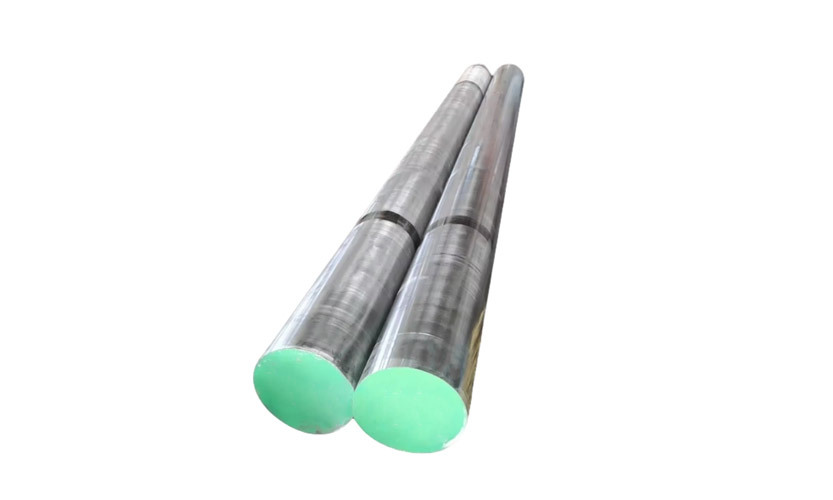
A36 Carbon Steel Bar is also lauded for its cost-effectiveness. It is relatively inexpensive compared to other high-strength steels, allowing builders and manufacturers to optimize their budgets without compromising quality. Furthermore, its availability in standard sizes simplifies sourcing and inventory management, making it a go-to choice for many construction projects.
In construction, A36 Carbon Steel Bar is often used in beams, columns, and braces, providing fundamental support for buildings and bridges. Its durability and resistance to deformation under stress make it ideal for structural applications. Additionally, it is commonly used in the manufacturing of frames for machinery and equipment, as well as in the production of various metal products.
Another important aspect of A36 Carbon Steel Bar is its ability to be treated and coated. Various surface treatments can enhance its corrosion resistance, making it suitable for outdoor applications or environments where moisture exposure is a concern. This adaptability allows for increased longevity and performance in diverse conditions.
In conclusion, A36 Carbon Steel Bar is a foundational material in the construction and decorative industries, offering a combination of strength, versatility, and affordability. Its properties make it a preferred choice for structural components, while its adaptability ensures it meets the needs of various applications. Understanding the benefits and uses of A36 Carbon Steel Bar can help professionals make informed decisions in their projects, ensuring safety and efficiency in construction endeavors.
Related news

Guorui Xi'an Financial Center IFC, Yanta District, Xi'an City, Shaanxi Province, China
