Welcome to Junlin Chicheng Metal Products Group Co., Ltd


22
2026
-
01
Understanding A36 Carbon Steel Bar: Properties, Applications, and Benefits
A36 carbon steel bar is a commonly used structural steel that is known for its excellent weldability, machinability, and versatility, making it a preferred choice in a wide range of applications within the construction and decorative materials industry. A36 is a carbon steel specification that is widely recognized and utilized due to its balance of strength and ductility, allowing it to withstand
A36 carbon steel bar is a commonly used structural steel that is known for its excellent weldability, machinability, and versatility, making it a preferred choice in a wide range of applications within the construction and decorative materials industry. A36 is a carbon steel specification that is widely recognized and utilized due to its balance of strength and ductility, allowing it to withstand various loading conditions.
One of the primary properties of A36 carbon steel is its yield strength, which typically ranges from 36,000 psi (pounds per square inch). This characteristic makes it suitable for structural applications where strength is essential. Additionally, A36 carbon steel exhibits good tensile strength, which is crucial for maintaining integrity under stress. The material's ability to absorb energy during deformation enhances its suitability for dynamic loading environments, further cementing its role in construction projects.
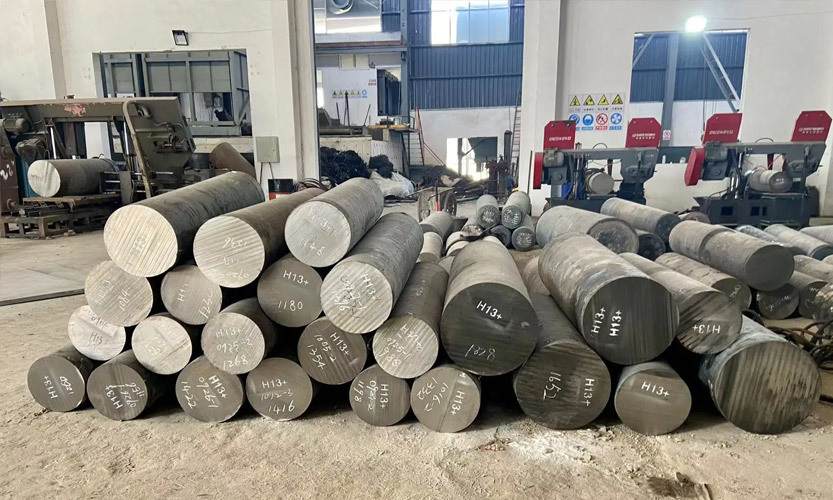
A36 carbon steel bars are available in various shapes, including round, square, and rectangular forms, making them adaptable for different design requirements. They are often used in structural steel fabrication, including beams, columns, and trusses, as well as in manufacturing components for machinery and equipment. Their versatility also extends to the decorative field, where A36 bars can be utilized in artistic installations, railings, and furniture, blending functionality with aesthetic appeal.
The fabrication process for A36 carbon steel bars allows for various methods, including cutting, bending, and welding. These processes enhance the material's usability in intricate designs and structures. It's important to note that A36 can be heat treated to harden its surface or improve its mechanical properties, providing additional options for engineers and architects.
Another significant benefit of A36 carbon steel is its availability and cost-effectiveness. Its widespread use in the industry ensures that it is readily available in various dimensions and forms, which can facilitate timely project completion. Furthermore, A36 carbon steel bars can be easily sourced and procured, making them an economical choice for construction projects.
When considering A36 carbon steel for your next project, it's essential to consult with professionals to ensure that the material meets the specific requirements of your application. Understanding its properties, applications, and benefits can help you make informed decisions that enhance the quality and durability of your construction or decorative endeavors.
In summary, A36 carbon steel bars serve as an indispensable material in the construction and decorative materials industry, offering a combination of strength, versatility, and cost-effectiveness. Whether used in structural or artistic applications, A36 carbon steel continues to be a reliable choice for engineers and designers alike.
Related news

Guorui Xi'an Financial Center IFC, Yanta District, Xi'an City, Shaanxi Province, China
